






Pu Erh
tea that matures over time
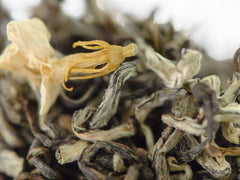
Pressed and loose-leaf Pu Erh from Yunnan – fresh, floral Sheng and rich, earthy Shu. Teas whose flavor evolves over the years.
Produkty: 203
-

Sheng Pu Erh Zi Tiao Cha Organic
1.72 zl/ 1 g
17.20 zl / 10 g
-


Shu Pu Erh 9540
0.97 zl/ 1 g
9.70 zl / 10 g
-


Shu Pu Erh Hong Long
1.20 zl/ 1 g
12.00 zl / 10 g
-


Shu Pu Erh with sticky rice
15 pcs. x 5 g
70.00 zl/ pcs.
-

Sheng Pu Erh Shao Hui
2.34 zl/ 1 g
23.40 zl / 10 g
-


Sheng Pu Erh Blue Mark
0.55 zl/ 1 g
5.50 zl / 10 g
-


Shu Pu Erh Da Lao Cha Tou
0.97 zl/ 1 g
9.70 zl / 10 g
-


Shu Pu Erh Lao Cha Tou Tea Monkeys
0.89 zl/ 1 g
8.90 zl / 10 g
-


Sheng Pu Erh Nan Zhao To
70.00 zl/ pcs.
-


Shu Pu Erh Reverse Current
2.60 zl/ 1 g
26.00 zl / 10 g
-


Shu Pu Erh Two Lions Banner
2.15 zl/ 1 g
21.50 zl / 10 g
-

Shu Pu Erh Menghai Chocolate
50.00 zl/ pcs.
-

Shu Pu Erh Menghai Chocolate
26.00 zl/ pcs.
-


Shu Pu Erh Xiong Di Qi Feng Le
112.00 zl/ pcs.
-


Shu Pu Erh Gu Shu
120.00 zl/ pcs.
-


GABA Shu Pu Erh Jin Ya
2.40 zl/ 1 g
24.00 zl / 10 g
-


Shu Pu Erh Lao Te Ji
1.99 zl/ 1 g
19.90 zl / 10 g
-


Shu Pu Erh Jin Se Yin Xiang
1.26 zl/ 1 g
12.60 zl / 10 g
-


Shu Pu Erh Gong Ting Yellow Seal
0.82 zl/ 1 g
8.20 zl / 10 g
-


Shu Pu Erh Yiwu Zheng Shan
0.53 zl/ 1 g
5.30 zl / 10 g
-


Sheng Pu Erh Lao Tong Zhi
0.74 zl/ 1 g
7.40 zl / 10 g
-


Shu Pu Erh Lao Shu Jin Ya
1.64 zl/ 1 g
16.40 zl / 10 g
-


Ku Gua Shu Pu Erh
1.57 zl/ 1 g
15.70 zl / 10 g
-


Sheng Pu Erh Jing Mai Lao Shu in Bamboo Stalk
2.36 zl/ 1 g
23.60 zl / 10 g
-

Shu Pu Erh Long Zhu Shu Cha
4.00 zl/ pcs.
-


Shu Pu Erh Gu Jun
0.94 zl/ 1 g
9.40 zl / 10 g
-

Shu Pu Erh Menghai Gu Cha
1.95 zl/ 1 g
19.50 zl / 10 g
-


Lova GABA Shu Pu Erh
1.90 zl/ 1 g
19.00 zl / 10 g
-


Shu Pu Erh Giant from Yong Zhen
0.80 zl/ 1 g
8.00 zl / 10 g
-

Sheng Pu Erh Wu Liang Zhi Cong Organic
2.01 zl/ 1 g
20.10 zl / 10 g
-


Sheng Pu Erh Guang Yun Mei Wang
102.00 zl/ pcs.
-


Sheng Pu Erh Farm
119.00 zl/ pcs.
-


GABA Sheng Pu Erh
1.92 zl/ 1 g
19.20 zl / 10 g
-


Sheng Pu Erh Ban Zhang Zao Chun
0.98 zl/ 1 g
9.80 zl / 10 g
-


Sheng Pu Erh Feng Yin Bingdao Gu Shu
1.59 zl/ 1 g
15.90 zl / 10 g
-


Sheng Pu Erh Bo He Tang
1.24 zl/ 1 g
12.40 zl / 10 g
-


Shu Pu Erh Macau Chen Nian
1.98 zl/ 1 g
19.80 zl / 10 g
-


Sheng Pu Erh Da Shu Tou Chun
0.55 zl/ 1 g
5.50 zl / 10 g
-


Sheng Pu Erh Gogan
3.16 zl/ 1 g
31.60 zl / 10 g
-


Sheng Pu Erh Qiao Mu
bitter
1.29 zl/ 1 g
12.90 zl / 10 g
-


Sheng Pu Erh Dao Shengzheng
0.97 zl/ 1 g
9.70 zl / 10 g
-


Sheng Pu Erh Iron Tea Cake
Te Bing recipe Т8633
1.17 zl/ 1 g
11.70 zl / 10 g
-


Sheng Pu Erh Yi Ping Cha Wang
1.52 zl/ 1 g
15.20 zl / 10 g
-


Sheng Pu Erh Jing Ping
1.83 zl/ 1 g
18.30 zl / 10 g
-


Shu Pu Erh Nu Erh Hong Bu
0.91 zl/ 1 g
9.10 zl / 10 g
-


Shu Pu Erh Nan Nuo Shan
0.49 zl/ 1 g
4.90 zl / 10 g
-


Shu Pu Erh Legend of Flying Tigers
1.34 zl/ 1 g
13.40 zl / 10 g
-


Shu Pu Erh 7572
1.23 zl/ 1 g
12.30 zl / 10 g
-


Sheng Pu Erh Yiwu Yishanmo
2.28 zl/ 1 g
22.80 zl / 10 g
-


Shu Pu Erh Xiao Hong Long Shu Cha
73.00 zl/ pcs.
-

Sheng Pu Erh Wu Jin Yin
1.22 zl/ 1 g
12.20 zl / 10 g
-

Sheng Pu Erh Wuliang Zhi Cong Organic
1.84 zl/ 1 g
18.40 zl / 10 g
-


Shu Pu Erh V93
2.60 zl/ 1 g
26.00 zl / 10 g
-


Sheng Pu Erh Laos Da Shu
2.10 zl/ 1 g
21.00 zl / 10 g
-


Sheng Pu Erh Fang Cha
1.90 zl/ 1 g
19.00 zl / 10 g
-


Shu Pu Erh Lao Shu Cha Ti Xiang Liu Yi
2.20 zl/ 1 g
22.00 zl / 10 g
-


Shu Pu Erh Big Panda
2.00 zl/ 1 g
20.00 zl / 10 g
-


Shu Pu Erh Three-hundred-year-old trees
2.33 zl/ 1 g
23.30 zl / 10 g
-


Sheng Pu Erh Tiang Yang
1.18 zl/ 1 g
11.80 zl / 10 g
-


Sheng Pu Erh Ji Yun Hao
110.00 zl/ pcs.
-


Shu Pu Erh Xiao To
5.00 zl/ pcs.
-


Shu Pu Erh Lao Shu Cha
0.88 zl/ 1 g
8.80 zl / 10 g
-


Sheng Pu Erh Jingmai To Cha
88.00 zl/ pcs.
-


Sheng Pu Erh Feng Huang Yin Xiang
1.52 zl/ 1 g
15.20 zl / 10 g
-


Shu Pu Erh Bu Lan Shan
0.69 zl/ 1 g
6.90 zl / 10 g
-


Shu Pu Erh Tai Chi Panda
0.64 zl/ 1 g
6.40 zl / 10 g
-


Sheng Pu Erh Meng Song Gong Cha
1.15 zl/ 1 g
11.50 zl / 10 g
-


Sheng Pu Erh Bing Dao Gu Shu
0.62 zl/ 1 g
6.20 zl / 10 g
-


Shu Pu Erh Shou Si Gu Shu
0.92 zl/ 1 g
9.20 zl / 10 g
-


Shu Pu Erh Jinxiu Fan Hua
1.31 zl/ 1 g
13.10 zl / 10 g
-


Shu Pu Erh Nan Nuo Gong Ting
1.17 zl/ 1 g
11.70 zl / 10 g
-


Sheng Pu Erh Lincang Da Xue Shan
0.93 zl/ 1 g
9.30 zl / 10 g
-


Shu Pu Erh Xigui Gui Yun
0.59 zl/ 1 g
5.90 zl / 10 g
-


Sheng Pu Erh Sanning
0.54 zl/ 1 g
5.40 zl / 10 g
-


Sheng Pu Erh Gu Shu Pu Erh
0.70 zl/ 1 g
7.00 zl / 10 g
-


Sheng Pu Erh Ban Zhang Lao Shu
1.39 zl/ 1 g
13.90 zl / 10 g
-


Shu Pu Erh Chen Xian
0.56 zl/ 1 g
5.60 zl / 10 g
-


Shu Pu Erh Yue Chen Yue Xiang
0.72 zl/ 1 g
7.20 zl / 10 g
-


Shu Pu Erh Seven Sons
0.53 zl/ 1 g
5.30 zl / 10 g
-


Shu Pu Erh Bulan Zheng Shan
0.67 zl/ 1 g
6.70 zl / 10 g
-


Shu Pu Erh Niao Chen Yue Xiang
0.50 zl/ 1 g
5.00 zl / 10 g
-


Shu Pu Erh Yunnan Ying Xiang
0.62 zl/ 1 g
6.20 zl / 10 g
-


Shu Pu Erh Chen Nian
5.00 zl/ pcs.
-


Sheng Pu Erh Spring Bouquet
6.00 zl/ pcs.
-


Cha Gao Shu Pu Erh Paste
1.00 zl/ pcs.
-


Shu Pu Erh Palace Dragon Ball
5.60 zl/ pcs.
-


Cha Gao Pu Erh Paste Jasmine
1.00 zl/ pcs.
-


Shu Pu Erh Cloud
0.66 zl/ 1 g
6.60 zl / 10 g
-


Shu Pu Erh Yong Zhen Lao Shu
0.65 zl/ 1 g
6.50 zl / 10 g
-


Shu Pu Erh Lincang Tiger
1.17 zl/ 1 g
11.70 zl / 10 g
-


Shu Pu Erh Kung Fu Panda
1.05 zl/ 1 g
10.50 zl / 10 g
-


Sheng Pu Erh Gu Shu Cha
70.00 zl/ pcs.
-

Shu Pu Erh Cha Hua Shi
Tea stones
0.86 zl/ 1 g
8.60 zl / 10 g
-


Shu Pu Erh Red Mark
0.74 zl/ 1 g
7.40 zl / 10 g
-


Shu Pu Erh Gong Ting Gong Bin
0.53 zl/ 1 g
5.30 zl / 10 g
-


Shu Pu Erh Ban Zhang Gong Ting
0.48 zl/ 1 g
4.80 zl / 10 g
-


Sheng Pu Erh Lao Ban Zhan
0.71 zl/ 1 g
7.10 zl / 10 g
-


Sheng Pu Erh Bao Yan Zhuan
0.40 zl/ 1 g
4.00 zl / 10 g
-


Sheng Pu Erh Mao Cha Shui Guo Xiang
1.50 zl/ 1 g
15.00 zl / 10 g
-


Sheng Pu Erh Meng Song Sheng Cha
1.20 zl/ 1 g
12.00 zl / 10 g
-


Sheng Pu Erh Nan No Shan Sheng Cha
1.27 zl/ 1 g
12.70 zl / 10 g
-


Shu Pu Erh Peacock of Menghai
0.78 zl/ 1 g
7.80 zl / 10 g
-


Shu Pu Erh Gu Shu Jin Ya
1.27 zl/ 1 g
12.70 zl / 10 g
-


Shu Pu Erh Xigui Gu Shu
0.92 zl/ 1 g
9.20 zl / 10 g
-


Shu Pu Erh Lao Ban Zhang
0.70 zl/ 1 g
7.00 zl / 10 g
-


Cha Gao Sheng Pu Erh Paste
5.00 zl/ pcs.
-


Shu Pu Erh Walnut from Mengku
0.90 zl/ 1 g
9.00 zl / 10 g
-


Shu Pu Erh Golden Bud
0.97 zl/ 1 g
9.70 zl / 10 g
-


Shu Pu Erh Ban Zhang Sheng Tai Bing
0.77 zl/ 1 g
7.70 zl / 10 g
-


Cha Gao Pu Erh Paste
5.00 zl/ 1 g
50.00 zl / 10 g
-

Jie Zheng Sheng Cha Bing
4.10 zl/ 1 g
41.00 zl / 10 g
-


Sheng Pu Erh Yu Le Shan
2.78 zl/ 1 g
27.80 zl / 10 g
-


Sheng Pu Erh Lodz
1.48 zl/ 1 g
14.80 zl / 10 g
-


Shu Pu Erh Jin Da Fu Lao Cha Tou
1.80 zl/ 1 g
18.00 zl / 10 g
-


Oil & Energy. Shu Pu Erh set
80.00 zl/ pack.
-


Shu Pu Erh Mu Ye Chun 001
Wood Wine
1.74 zl/ 1 g
17.40 zl / 10 g
-


Sheng Pu Erh Xigui Tocha
0.73 zl/ 1 g
7.30 zl / 10 g
-


Sheng Pu Erh Chuan Chen Gong Yi
1.12 zl/ 1 g
11.20 zl / 10 g
-


Shu Pu Erh Menghai Da Shu
97.00 zl/ pcs.
-

Shu Pu Erh Xiao Lao Cha Tou
0.85 zl/ 1 g
8.50 zl / 10 g
-


Shu Pu Erh Wu Liang Sheng Tai Organic
1.10 zl/ 1 g
11.00 zl / 10 g
-


Shu Pu Erh Gu Jun Da Xue Shan
0.63 zl/ 1 g
6.30 zl / 10 g
-


Shu Pu Erh Two Dragons of Bingdao
0.97 zl/ 1 g
9.70 zl / 10 g
-


Shu Pu Erh Yiwu Gua Feng Zhai
0.74 zl/ 1 g
7.40 zl / 10 g
-


Shu Pu Erh Ban Zhang Da Shu
0.96 zl/ 1 g
9.60 zl / 10 g
-


Shu Pu Erh V93
103.00 zl/ pcs.
-


Sheng Pu Erh Yiwu Lo Shui Dong
2.00 zl/ 1 g
20.00 zl / 10 g
-


Sheng Pu Erh Yiwu San Mian Hong Qi
2.02 zl/ 1 g
20.20 zl / 10 g
-

Sheng Pu Erh Set
137.00 zl/ pack.
-


Sheng Pu Erh Zijuan Xiao Bing
133.00 zl/ pcs.
-


Shu Pu Erh 7562
1.20 zl/ 1 g
12.00 zl / 10 g
-


Shu Pu Erh Kun Que Shentai Gu Shu Bing
0.99 zl/ 1 g
9.90 zl / 10 g
-


Sheng Pu Erh Ba Zi Cha
0.85 zl/ 1 g
8.50 zl / 10 g
-


Cha Gao Pu Erh Paste
11.00 zl/ pcs.
-


Shu Pu Erh Dark Side of the Moon
1.02 zl/ 1 g
10.20 zl / 10 g
-

Da Lao Cha Tou
1.08 zl/ 1 g
10.80 zl / 10 g
-

Shu Pu Erh Gong Ting Xiao Ya
0.92 zl/ 1 g
9.20 zl / 10 g
-


Sheng Pu Erh Sheng Shan from Master Feng
0.97 zl/ 1 g
9.70 zl / 10 g
-


Shu Pu Erh Ji Ding Xing
Muslim
0.96 zl/ 1 g
9.60 zl / 10 g
-


Shu Pu Erh Lao Tong Zhi
0.64 zl/ 1 g
6.40 zl / 10 g
-


Sheng Pu Erh Lincang in balls 7-9 g.
11.00 zl/ pcs.
-


Gong Ting
0.55 zl/ 1 g
5.50 zl / 10 g
-
Wyprzedane


Shu Pu Erh Delicate Flavor from Ban Zhang
9.00 zl/ pcs.
-
Wyprzedane


Volcanic GABA Sheng Pu Erh
2.67 zl/ 1 g
26.70 zl / 10 g
-
Wyprzedane


Sheng Pu Erh Ye Sheng Gu Shu
2.74 zl/ 1 g
27.40 zl / 10 g
-
Wyprzedane


Shu Pu Erh Lao Cang To Cha
66.00 zl/ pcs.
-
Wyprzedane


Shu Pu Erh Ruyi
60.00 zl/ pcs.
-
Wyprzedane


Sheng Pu Erh Bulan Shan Lao Shu
1.27 zl/ 1 g
12.70 zl / 10 g
-
Wyprzedane


Shu Pu Erh Lao Zhang Xiang
1.10 zl/ 1 g
11.00 zl / 10 g
-
Wyprzedane


Sheng Pu Erh Ban Zhang Gu Shu
1.96 zl/ 1 g
19.60 zl / 10 g
-
Wyprzedane


Shu Pu Erh Gong Ting
0.56 zl/ 1 g
5.60 zl / 10 g
-
Wyprzedane


Shu Pu Erh 9978
0.87 zl/ 1 g
8.70 zl / 10 g
-
Wyprzedane


Shu Pu Erh Tong Qing Hao
1.91 zl/ 1 g
19.10 zl / 10 g
-
Wyprzedane


Shu Pu Erh Gu Shu
77.00 zl/ pcs.
-
Wyprzedane


Shu Pu Erh Xigui Gong Bin
0.67 zl/ 1 g
6.70 zl / 10 g
-
Wyprzedane


Shu Pu Erh Folk
0.69 zl/ 1 g
6.90 zl / 10 g
-
Wyprzedane


Sheng Pu Erh Da Xue Shan
1.08 zl/ 1 g
10.80 zl / 10 g
-
Wyprzedane


Shu Pu Erh Gong Ting Labyrinth
103.00 zl/ pcs.
-
Wyprzedane


Shu Pu Erh Gu Shu Zhong Bing
1.08 zl/ 1 g
10.80 zl / 10 g
-
Wyprzedane


Shu Pu Erh Gong Ting
15x5 g
53.00 zl/ pack.
-
Wyprzedane


Sheng Pu Erh Meng Song Qiao Mu Sheng Cha
1.43 zl/ 1 g
14.30 zl / 10 g
-
Wyprzedane


Sheng Pu Erh Huan Jin Ye
Złoty liść
0.86 zl/ 1 g
8.60 zl / 10 g
-
Wyprzedane


Sheng Pu Erh Lui He Sheng To Cha
80.00 zl/ pcs.
-
Wyprzedane


Shu Pu Erh Organic
0.52 zl/ 1 g
5.20 zl / 10 g
-
Wyprzedane


Shu Pu Erh Mu Ye Chun Gong Ting
1.08 zl/ 1 g
10.80 zl / 10 g
-
Wyprzedane


Sheng Pu Erh Bada Shan Qiao Mu
0.76 zl/ 1 g
7.60 zl / 10 g
-
Wyprzedane

Sheng Pu Erh Jia To
48.00 zl/ szt.
-
Wyprzedane


Sheng Pu Erh Organic
0.74 zl/ 1 g
7.40 zl / 10 g
-
Wyprzedane

Shu Pu Erh Bulan Shan Lao Cha Tou
0.60 zl/ 1 g
6.00 zl / 10 g
-
Wyprzedane


Sheng Pu Erh Yi Gu Ye Sheng Lui
0.76 zl/ 1 g
7.60 zl / 10 g
-
Wyprzedane


Sheng Pu Erh Lao Ban Zhan
0.52 zl/ 1 g
5.20 zl / 10 g
-
Wyprzedane


Sheng Pu Erh Mao Cha Mi Xiang
1.71 zl/ 1 g
17.10 zl / 10 g
-
Wyprzedane


Shu Pu Erh Su Hu Shu Cha
1.79 zl/ 1 g
17.90 zl / 10 g
-
Wyprzedane


Sheng Pu Erh Mao Cha Gan Guo Xiang
aromat suszonych owoców
1.06 zl/ 1 g
10.60 zl / 10 g
-
Wyprzedane


Sheng Pu Erh Mao Cha Zhang Xiang
1.48 zl/ 1 g
14.80 zl / 10 g
-
Wyprzedane


Sheng Pu Erh Gooseberry
1.47 zl/ 1 g
14.70 zl / 10 g
-
Wyprzedane


Sheng Pu Erh Bin Dao Tian Yun
1.77 zl/ 1 g
17.70 zl / 10 g
-
Wyprzedane


Shu Pu Erh Da Yi Wei Zui Yan
1.50 zl/ 1 g
15.00 zl / 10 g
-
Wyprzedane


Sheng Pu Erh Wu Jin
1.80 zl/ 1 g
18.00 zl / 10 g
-
Wyprzedane


Sheng Pu Erh Ming Qian Gu Shu Cha
1.93 zl/ 1 g
19.30 zl / 10 g
-
Wyprzedane


Shu Pu Erh Bai Zhi Bing from Aunt Ming
0.87 zl/ 1 g
8.70 zl / 10 g
-
Wyprzedane


Sheng Pu Erh Qiao Mu Wang
1.73 zl/ 1 g
17.30 zl / 10 g
-
Wyprzedane


Sheng Pu Erh Guan Te Ji To Cha
1.85 zl/ 1 g
18.50 zl / 10 g
-
Wyprzedane


Sheng Pu Erh Da Xue Shan
1.00 zl/ 1 g
10.00 zl / 10 g
-
Wyprzedane

Sheng Pu erh z dzikich drzew
2.95 zl/ 1 g
29.50 zl / 10 g
-
Wyprzedane


Shu Pu Erh Black pearl
0.70 zl/ 1 g
7.00 zl / 10 g
-
Wyprzedane


Shu Pu Erh Gong Tin Cha Zhuang
0.48 zl/ 1 g
4.80 zl / 10 g
-
Wyprzedane


Sheng Pu Erh Gu Shu Mao Cha Da Ye
3.32 zl/ 1 g
33.20 zl / 10 g
-
Wyprzedane


Shu Pu Erh Golden Peacock
0.71 zl/ 1 g
7.10 zl / 10 g
-
Wyprzedane


Sheng Pu Erh Bingdao Gao Xiang
0.78 zl/ 1 g
7.80 zl / 10 g
-
Wyprzedane


Shu Pu Erh Red Bull
0.90 zl/ 1 g
9.00 zl / 10 g
-
Wyprzedane


Shu Pu Erh Jin Long
Golden Dragon
0.88 zl/ 1 g
8.80 zl / 10 g
-
Wyprzedane


Shu Pu Erh Bing Dao Gu Shu
0.91 zl/ 1 g
9.10 zl / 10 g
-
Wyprzedane


Ye Sheng Da Ye Bing No.2
9.08 zl/ 1 g
90.80 zl / 10 g
-
Wyprzedane


Shu Pu Erh Tea coin
Teacoin
10.00 zl/ pcs.
-
Wyprzedane


Sheng Pu Erh Bu Lan Shan Cha Wan
1.76 zl/ 1 g
17.60 zl / 10 g
-
Wyprzedane


Shu Pu Erh Ban Zhang Xiao Cai
76.00 zl/ pcs.
-
Wyprzedane


Sheng Pu Erh Xigui Gu Shu Cha
1.91 zl/ 1 g
19.10 zl / 10 g
-
Wyprzedane


Shu Pu Erh Phoenix Gong Ting
0.59 zl/ 1 g
5.90 zl / 10 g
-
Wyprzedane


Sheng Pu Erh Zi Ya
2.00 zl/ 1 g
20.00 zl / 10 g
-
Wyprzedane


Cha Gao Pu Erh Paste
9.00 zl/ pcs.
-
Wyprzedane


Shu Pu Erh Jin Zheng Bai Liang
0.83 zl/ 1 g
8.30 zl / 10 g
-
Wyprzedane


Sheng Pu Erh Suhu Gu Shu Organic
1.75 zl/ 1 g
17.50 zl / 10 g


Pu Erh. Tea that Matures Over Time
Pu Erh is a tea from China’s Yunnan province, crafted from the leaves of a large-leaf variety of the tea plant. Its unique characteristic is that, when stored correctly, it evolves and matures over the years—its flavor becoming deeper, mellower, and more complex. The most prized leaves come from regions such as Xishuangbanna (including Menghai and Yiwu), Lincang, and Pu’er, often harvested from ancient tea trees.
Sheng and Shu – two faces of Pu Erh
Sheng Pu Erh (raw, "green") is a tea that matures naturally and slowly over the course of many years. Young Sheng possesses a floral, honey-like aroma, a distinct freshness, and a slight astringency; as it ages, it becomes sweeter and mellower, developing notes of dried fruit, wood, and camphor.
Shu Pu Erh (ripe, "black") is produced through an accelerated fermentation process in which tea leaves are piled into heaps—a technique developed in the 1970s. It yields a dark, rich infusion with a smooth, earthy, and woody flavor, featuring hints of cocoa, dried dates, and nuts.
Forms of Pu Erh
Pu Erh is most commonly pressed into round tea cakes—flat discs, traditionally weighing 357 g (known in Chinese as "bing"). Other forms include bowl-shaped "tuo" (nests), bricks, small individual portions, and loose-leaf Pu Erh. Pressing facilitates storage and promotes even aging. It is best to separate a portion of the leaves using a specialized Pu Erh knife, taking care not to crumble the leaves.
Storage
Pu Erh needs to "breathe": it is best kept wrapped in paper or placed in a cardboard box, in a dark, well-ventilated area with a stable temperature, away from strong odors. Do not store it in a refrigerator or in airtight plastic containers.
How to Brew Pu Erh
- 1. Shu Pu Erh should be rinsed: pour boiling water over the tea leaves, let them steep for about 10 seconds, and then drain the water. This removes any dust and "awakens" the leaves, allowing for a more effective brew. Furthermore, if the Pu Erh retains a trace of the wo dui (fermentation) aroma, rinsing will help eliminate it.
- 2. Shu Pu Erh handles long steeping times and high temperatures well; therefore, it can be brewed in clay or ceramic teapots, or even prepared in a thermos.
- 3. We recommend brewing Sheng Pu Erh using slightly cooled water to prevent the tea from becoming overly bitter. However, if you don’t mind a sharp, pungent bitterness, you can brew Sheng Pu Erh with water at 95°C.
- 4. Sheng Pu Erh can be temperamental to brew, so we suggest avoiding distractions during the tea ceremony. Start with a very short steeping time—just a few seconds—and gradually increase the duration until you achieve your desired flavor profile. Don’t be afraid to experiment!