






Sheng Pu Erh
herbata, która żyje i dojrzewa
Surowy Pu Erh z Yunnanu – od świeżych, kwiatowych młodych roczników po dojrzałe, miodowo-drzewne tea cake ze starych drzew.
Produkty: 85
-


Cha Gao Sheng Pu Erh Paste
5.00 zl/ pcs.
-


Sheng Pu Erh Lincang in balls 7-9 g.
11.00 zl/ pcs.
-


Sheng Pu Erh Yiwu San Mian Hong Qi
2.02 zl/ 1 g
20.20 zl / 10 g
-


Sheng Pu Erh Yu Le Shan
2.78 zl/ 1 g
27.80 zl / 10 g
-


Sheng Pu Erh Bao Yan Zhuan
0.40 zl/ 1 g
4.00 zl / 10 g
-

Sheng Pu Erh Set
137.00 zl/ pack.
-


Sheng Pu Erh Yiwu Lo Shui Dong
2.00 zl/ 1 g
20.00 zl / 10 g
-


Sheng Pu Erh Mao Cha Mi Xiang
1.71 zl/ 1 g
17.10 zl / 10 g
-


Sheng Pu Erh Mao Cha Shui Guo Xiang
1.50 zl/ 1 g
15.00 zl / 10 g
-


Sheng Pu Erh Fang Cha
1.90 zl/ 1 g
19.00 zl / 10 g
-


Sheng Pu Erh Tiang Yang
1.18 zl/ 1 g
11.80 zl / 10 g
-


Sheng Pu Erh Nan No Shan Sheng Cha
1.27 zl/ 1 g
12.70 zl / 10 g
-


Sheng Pu Erh Ba Zi Cha
0.85 zl/ 1 g
8.50 zl / 10 g
-


Sheng Pu Erh Xigui Tocha
0.73 zl/ 1 g
7.30 zl / 10 g
-


Sheng Pu Erh Ban Zhang Zao Chun
0.98 zl/ 1 g
9.80 zl / 10 g
-


Sheng Pu Erh Gu Shu Pu Erh
0.70 zl/ 1 g
7.00 zl / 10 g
-


Sheng Pu Erh Chuan Chen Gong Yi
1.12 zl/ 1 g
11.20 zl / 10 g
-


Sheng Pu Erh Bing Dao Gu Shu
0.62 zl/ 1 g
6.20 zl / 10 g
-


Sheng Pu Erh Meng Song Sheng Cha
1.20 zl/ 1 g
12.00 zl / 10 g
-

Jie Zheng Sheng Cha Bing
4.10 zl/ 1 g
41.00 zl / 10 g
-


Sheng Pu Erh Iron Tea Cake
Te Bing recipe Т8633
1.17 zl/ 1 g
11.70 zl / 10 g
-


Sheng Pu Erh Sanning
0.54 zl/ 1 g
5.40 zl / 10 g
-


Sheng Pu Erh Lodz
1.48 zl/ 1 g
14.80 zl / 10 g
-


GABA Sheng Pu Erh
1.92 zl/ 1 g
19.20 zl / 10 g
-


Sheng Pu Erh Spring Bouquet
6.00 zl/ pcs.
-


Sheng Pu Erh Yi Ping Cha Wang
1.52 zl/ 1 g
15.20 zl / 10 g
-


Sheng Pu Erh Laos Da Shu
1.68 zl/ 1 g
16.80 zl / 10 g
-


Sheng Pu Erh Jingmai To Cha
88.00 zl/ pcs.
-


Sheng Pu Erh Yiwu Yishanmo
2.28 zl/ 1 g
22.80 zl / 10 g
-

Sheng Pu Erh Wuliang Zhi Cong Organic
1.84 zl/ 1 g
18.40 zl / 10 g
-


Sheng Pu Erh Lincang Da Xue Shan
0.93 zl/ 1 g
9.30 zl / 10 g
-


Sheng Pu Erh Ban Zhang Lao Shu
1.39 zl/ 1 g
13.90 zl / 10 g
-

Sheng Pu Erh Wu Jin Yin
1.22 zl/ 1 g
12.20 zl / 10 g
-


Sheng Pu Erh Lao Tong Zhi
0.74 zl/ 1 g
7.40 zl / 10 g
-


Sheng Pu Erh Bo He Tang
1.24 zl/ 1 g
12.40 zl / 10 g
-


Sheng Pu Erh Da Shu Tou Chun
0.55 zl/ 1 g
5.50 zl / 10 g
-


Sheng Pu Erh Jing Ping
1.83 zl/ 1 g
18.30 zl / 10 g
-


Sheng Pu Erh Meng Song Gong Cha
1.15 zl/ 1 g
11.50 zl / 10 g
-


Sheng Pu Erh Blue Mark
0.55 zl/ 1 g
5.50 zl / 10 g
-


Sheng Pu Erh Jing Mai Lao Shu in Bamboo Stalk
2.36 zl/ 1 g
23.60 zl / 10 g
-

Sheng Pu Erh Wu Liang Zhi Cong Organic
2.01 zl/ 1 g
20.10 zl / 10 g
-


Sheng Pu Erh Gogan
2.53 zl/ 1 g
25.30 zl / 10 g
-


Sheng Pu Erh Qiao Mu
bitter
1.29 zl/ 1 g
12.90 zl / 10 g
-


Sheng Pu Erh Dao Shengzheng
0.97 zl/ 1 g
9.70 zl / 10 g
-


Sheng Pu Erh Gu Shu Cha
70.00 zl/ pcs.
-


Sheng Pu Erh Lao Ban Zhan
0.71 zl/ 1 g
7.10 zl / 10 g
-


Sheng Pu Erh Feng Huang Yin Xiang
1.52 zl/ 1 g
15.20 zl / 10 g
-


Sheng Pu Erh Zijuan Xiao Bing
133.00 zl/ pcs.
-

Sheng Pu Erh Shao Hui
2.34 zl/ 1 g
23.40 zl / 10 g
-


Sheng Pu Erh Nan Zhao To
70.00 zl/ pcs.
-


Sheng Pu Erh Guang Yun Mei Wang
102.00 zl/ pcs.
-


Sheng Pu Erh Farm
119.00 zl/ pcs.
-


Sheng Pu Erh Feng Yin Bingdao Gu Shu
1.59 zl/ 1 g
15.90 zl / 10 g
-


Sheng Pu Erh Ji Yun Hao
110.00 zl/ pcs.
-
Wyprzedane


Sheng Pu Erh Zi Ya
2.00 zl/ 1 g
20.00 zl / 10 g
-
Wyprzedane


Sheng Pu Erh Sheng Shan from Master Feng
0.97 zl/ 1 g
9.70 zl / 10 g
-
Wyprzedane


Sheng Pu Erh Da Xue Shan
1.00 zl/ 1 g
10.00 zl / 10 g
-
Wyprzedane


Sheng Pu Erh Xigui Gu Shu Cha
1.91 zl/ 1 g
19.10 zl / 10 g
-
Wyprzedane


Sheng Pu Erh Wu Jin
1.80 zl/ 1 g
18.00 zl / 10 g
-
Wyprzedane


Sheng Pu Erh Bada Shan Qiao Mu
0.76 zl/ 1 g
7.60 zl / 10 g
-
Wyprzedane


Sheng Pu Erh Bu Lan Shan Cha Wan
1.76 zl/ 1 g
17.60 zl / 10 g
-
Wyprzedane


Sheng Pu Erh Suhu Gu Shu Organic
1.75 zl/ 1 g
17.50 zl / 10 g
-
Wyprzedane


Sheng Pu Erh Yi Gu Ye Sheng Lui
0.76 zl/ 1 g
7.60 zl / 10 g
-
Wyprzedane


Sheng Pu Erh Bingdao Gao Xiang
0.78 zl/ 1 g
7.80 zl / 10 g
-
Wyprzedane


Sheng Pu Erh Mao Cha Gan Guo Xiang
aromat suszonych owoców
1.06 zl/ 1 g
10.60 zl / 10 g
-
Wyprzedane


Sheng Pu Erh Bin Dao Tian Yun
1.77 zl/ 1 g
17.70 zl / 10 g
-
Wyprzedane


Sheng Pu Erh Qiao Mu Wang
1.73 zl/ 1 g
17.30 zl / 10 g
-
Wyprzedane


Sheng Pu Erh Gu Shu Mao Cha Da Ye
3.32 zl/ 1 g
33.20 zl / 10 g
-
Wyprzedane


Sheng Pu Erh Mao Cha Zhang Xiang
1.48 zl/ 1 g
14.80 zl / 10 g
-
Wyprzedane


Sheng Pu Erh Guan Te Ji To Cha
1.85 zl/ 1 g
18.50 zl / 10 g
-
Wyprzedane


Sheng Pu Erh Lao Ban Zhan
0.52 zl/ 1 g
5.20 zl / 10 g
-
Wyprzedane


Sheng Pu Erh Ban Zhang Gu Shu
1.96 zl/ 1 g
19.60 zl / 10 g
-
Wyprzedane


Sheng Pu Erh Organic
0.74 zl/ 1 g
7.40 zl / 10 g
-
Wyprzedane


Sheng Pu Erh Da Xue Shan
1.08 zl/ 1 g
10.80 zl / 10 g
-
Wyprzedane


Sheng Pu Erh Gooseberry
1.47 zl/ 1 g
14.70 zl / 10 g
-
Wyprzedane


Sheng Pu Erh Lui He Sheng To Cha
80.00 zl/ pcs.
-
Wyprzedane


Ye Sheng Da Ye Bing No.2
9.08 zl/ 1 g
90.80 zl / 10 g
-
Wyprzedane


Sheng Pu Erh Ming Qian Gu Shu Cha
1.93 zl/ 1 g
19.30 zl / 10 g
-
Wyprzedane


Volcanic GABA Sheng Pu Erh
2.67 zl/ 1 g
26.70 zl / 10 g
-
Wyprzedane


Sheng Pu Erh Bulan Shan Lao Shu
1.27 zl/ 1 g
12.70 zl / 10 g
-
Wyprzedane


Sheng Pu Erh Meng Song Qiao Mu Sheng Cha
1.43 zl/ 1 g
14.30 zl / 10 g
-
Wyprzedane


Sheng Pu Erh Huan Jin Ye
Złoty liść
0.86 zl/ 1 g
8.60 zl / 10 g
-
Wyprzedane


Sheng Pu Erh Ye Sheng Gu Shu
2.74 zl/ 1 g
27.40 zl / 10 g
-
Wyprzedane

Sheng Pu Erh Jia To
48.00 zl/ szt.
-
Wyprzedane

Sheng Pu erh z dzikich drzew
2.95 zl/ 1 g
29.50 zl / 10 g


Metoda europejskaw czajniku lub filiżance
Gongfu chaw gaiwanie, krótkie parzenia
Sheng Pu Erh, also known as ‘green’ or ‘raw Pu Erh,’ undergoes a natural ageing process, unlike Shu Pu Erh, which undergoes accelerated fermentation. During the ageing process, Sheng Pu Erh gradually changes its taste and aroma, becoming milder and more complex.
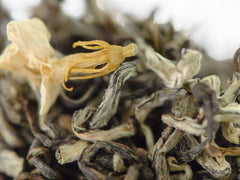
Sheng Pu Erh leaves can be pressed into cakes, bricks or sold loose. The colour of the leaves is usually dark green, but can vary depending on age and degree of fermentation.
Young Sheng Pu Erh has a bright, fresh taste with hints of dried fruit, flowers and herbs. As it ages, the taste becomes milder, with notes of honey, nuts and wood.
The tea can have a tonic effect, improve mood and increase concentration.
How to brew:
Sheng Pu Erh requires more attention, as it can easily become bitter.
We recommend starting with 4 grams of tea per 100 ml of water at a temperature of 80-90°C.
1. Place the tea in a well-heated pot.
2. Rinse the tea with the first pour to remove any dust.
3. The first infusion should be short, 5-6 seconds. For subsequent infusions, you can increase the exposure time by 5 seconds. Sheng Pu Erh teas are renowned for their durability and can usually withstand at least 7-8 infusions.