






Nepalese tea
specialty teas from the Himalayas
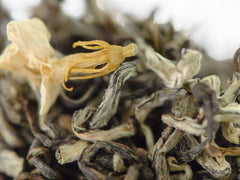
High-altitude teas from Ilam and Dhankuta, produced in small-scale factories. The floral aroma of the spring harvest meets the vibrant, fruity, and honeyed notes of the autumn picking—capturing the unique character and power of the Himalayas.
Produkty: 16
-


Anaerobic Oolong
2.10 zl/ 1 g
21.00 zl / 10 g
-


Green tea Emerald Green
0.95 zl/ 1 g
9.50 zl / 10 g
-


Light Oolong
1.60 zl/ 1 g
16.00 zl / 10 g
-


Red tea Ilam Night Black
1.30 zl/ 1 g
13.00 zl / 10 g
-


Red tea Smoky Gold
1.80 zl/ 1 g
18.00 zl / 10 g
-


White tea Morning Dew
2.40 zl/ 1 g
24.00 zl / 10 g
-


Red tea Ilam Black
1.70 zl/ 1 g
17.00 zl / 10 g
-


Green tea Premium Green
1.50 zl/ 1 g
15.00 zl / 10 g
-


Red tea Smoky Gold v.2
1.50 zl/ 1 g
15.00 zl / 10 g
-


Green tea Green Dragon
1.76 zl/ 1 g
17.60 zl / 10 g
-


Semi Anaerobic Oolong
1.70 zl/ 1 g
17.00 zl / 10 g
-


White tea White Forest
1.50 zl/ 1 g
15.00 zl / 10 g
-


White tea White Amber
2.46 zl/ 1 g
24.60 zl / 10 g
-


White tea White Lotus
2.64 zl/ 1 g
26.40 zl / 10 g
-


Red tea Darj Greenish Black
1.90 zl/ 1 g
19.00 zl / 10 g
-
Wyprzedane


Red tea Golden Banana
1.70 zl/ 1 g
17.00 zl / 10 g


Metoda europejskaw czajniku lub filiżance
Gongfu chaw gaiwanie, krótkie parzenia
Nepalese Tea – Himalayan Terroir in Your Cup
Nepal is one of the most fascinating tea-producing regions in the world, though it remains less well-known than the neighboring Darjeeling area. The first plantation was established here around 1863 in the Ilam district—roughly at the same time as the first tea gardens appeared on the Indian side of the mountains. Today, the finest Nepalese teas are produced using the "orthodox" method: the leaves are rolled whole, rather than being ground up as is the case for tea used in bags.
Origin
Traditionally, teas are cultivated on the eastern slopes of the Himalayas—in the Ilam, Dhankuta, Panchthar, and Terhathum districts—at altitudes ranging from approximately 1,000 to over 2,000 meters above sea level. Cool nights, frequent mists, and steep terrain cause the tea bushes to grow slowly, allowing the leaves to develop an intense aroma. A significant portion of the cultivation is carried out by small, family-run farms.
Specialty Tea from Nepal
Nepal is currently experiencing a tea renaissance. Alongside large plantations, there are small-scale operations where a tea master oversees every stage of production, often experimenting with new styles. The Nepalese specialty tea association defines clear criteria for such teas: they must be grown exclusively using organic methods in high-altitude gardens, harvested by hand, and consist of only the highest-quality raw material—the bud alone, or the bud accompanied by one or two leaves. The processing stage is equally critical; even the finest leaves will only yield an exceptional tea if the production process is executed flawlessly.
Harvest Seasons
The flavor of Nepalese tea varies depending on the season. Spring harvests (March–April) yield teas that are light, floral, and fresh, with a delicate astringency. Summer harvests (May–July) are fuller-bodied and sweeter, featuring notes of fruit, honey, and dried grapes. Monsoon and autumn harvests produce a darker, amber-colored infusion with a mild, spicy character.
Flavor and Styles
Nepal is primarily renowned for its red teas (referred to as "black" teas in Europe), though small-scale producers also craft white, green, and oolong teas. A common trait is a distinct, mountainous aroma—reminiscent of flowers, stone fruits, honey, and subtle woody notes—often possessing a certain unique character and "imperfections" that distinguish artisanal tea from mass-produced, perfectly uniform varieties. Nepalese teas are frequently compared to those from Darjeeling, as they share a similar climate and tea bushes of Chinese origin.
How to Brew Nepalese Tea
Gongfu Cha
- Tea ware: A gaiwan, or a porcelain or glass teapot
- Water temperature: 85–95°C (use a lower temperature for spring teas)
- Ratio: 4–5 g of tea per 100 ml of water
Steep for 10–15 seconds for the first infusion, increasing the time by 5–10 seconds for each subsequent steep.
European method
- Tea ware: porcelain or glass teapot
- Water: 90–95°C
- Ratio: 10–12 g per 1 l of water
- Steeping time: 2–3 minutes
Summer and autumn teas pair well with a splash of milk, while spring teas are best enjoyed plain.