






How to properly store tea?
How to properly store tea to retain its flavor and aroma for as long as possible?
Here are some general recommendations that will help maintain the freshness, flavor and aroma of tea leaves for a long time.
1. No foreign odors near the tea. Dry tea leaves perfectly absorb the smell of spices, coffee, incense, oils, etc., so it is important to determine a place for tea where these odors will not penetrate. Let it be a kitchen cabinet, where only tea and tea utensils are stored.
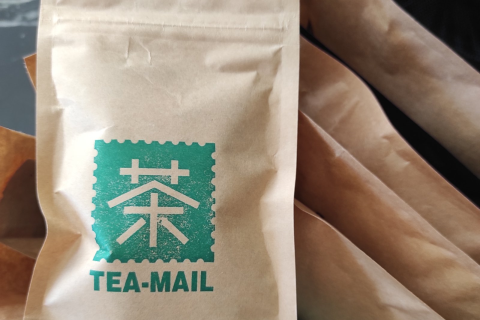
2. Sealed packaging. It will help protect the tea not only from foreign odors, excess moisture and air, but also preserve the freshness of the tea leaves. Use glass or tin jars with a tightly closing lid or the zip-lock bags in which we sell tea: after pouring in the required amount of tea leaves, squeeze out excess air from the bag and close it tightly.
- If you use a tin container for long-term tea storage, we recommend placing the tea in a jar in a paper bag. Over time, the material of the jar can oxidize, which will affect the tea leaf, its flavor, and its aroma. Our favorite for long-term storage is a ceramic tea pot with a tight, ground-glass lid.
- Shu Pu Erh should not be stored in airtight containers. Wet tea leaves placed in a plastic container will quickly mold. Store shu in its original packaging or a paper bag – the packaging material will not interfere with the tea’s maturation.
3. Cool air and no temperature changes. It is recommended to store tea in any package, in a cool place, at a temperature of no more than 25 degrees. At high temperatures, the tea heats up, releases essential oils, becomes damp and moldy. We do not need this.
- Some tea lovers store their tea in the refrigerator. This storage location may be appropriate for slightly fermented and fresh varieties, and only in vacuum bags. The tea should come to room temperature before use. If you are a regular tea drinker and prefer darker varieties, room temperature storage is optimal.
4. Lack of sunlight! It has a bad effect on tea leaves, so either store tea in opaque jars or hide tea bags and transparent tea packages in a dark place.
5. Monitor the shelf life of tea. Of course, if you observe the storage conditions, nothing will happen to the tea, but a leaf that has been lying in the attic for several years will produce colored water after brewing, devoid of taste and aroma. Try to drink tea within a year of purchase, and even better, buy it more often and in small portions. This will keep your tea always fresh.